How Poor Drainage Causes Landscaping Problems In Darwin Gardens
Heavy rain can transform a healthy garden into a patchwork of soggy soil, stressed plants and unexpected damage almost overnight. What often looks like a seasonal inconvenience is usually a sign of a deeper issue below the surface. Poor drainage is one of the most common causes of long-term landscaping problems, and it rarely fixes itself without intervention. When excess water has nowhere to go, it affects soil structure, plant health and the overall usability of outdoor spaces. Understanding how drainage problems develop and why ongoing professional garden maintenance in Darwin is essential can help homeowners protect their landscapes before small issues become costly repairs.
Understanding How Drainage Works in Residential Gardens
Drainage refers to how efficiently water moves through and away from soil. In a well-designed garden, excess moisture drains evenly, allowing roots to breathe while retaining enough water for plant growth. Problems arise when soil composition, ground levels or previous landscaping decisions disrupt this balance.
Poor drainage commonly occurs when:
- Soil is compacted from foot traffic or machinery
- Clay-heavy soil restricts water movement
- Garden beds are installed without adequate runoff planning
- Lawn areas sit lower than surrounding ground
Without consistent garden maintenance in Darwin, these conditions can worsen over time, particularly as organic matter breaks down or soil settles unevenly.
Waterlogged Soil & its Impact on Plant Health
Plants rely on oxygen in the soil to survive. When soil remains saturated, oxygen is displaced by water, leading to stressed or dying root systems. This creates an environment where plants struggle to absorb nutrients, even when fertiliser is applied correctly.
Common plant health issues linked to poor drainage include:
- Yellowing or wilting leaves despite adequate watering
- Root rot & fungal infections
- Slow or stunted growth
- Increased plant loss during periods of heavy rainfall
By searching ‘garden maintenance near me’, professionals can often identify these warning signs early and adjust soil conditions before widespread plant failure occurs.
Lawn Deterioration Caused by Ongoing Moisture Retention
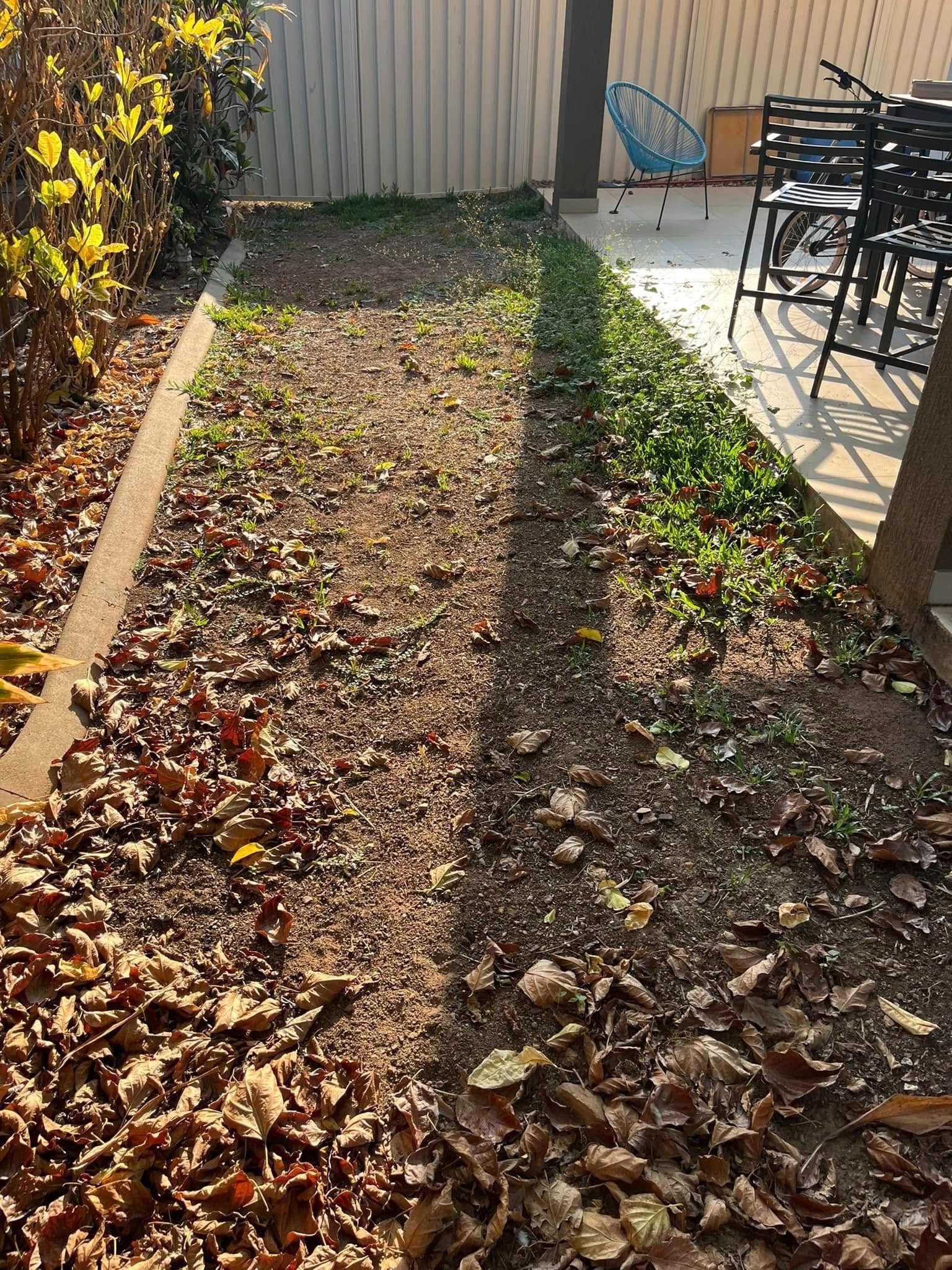
Lawns are particularly vulnerable to drainage problems. Excess moisture weakens turf roots and encourages surface damage that is difficult to reverse without proper care. Areas that remain wet underfoot can quickly turn patchy or muddy, reducing both appearance and functionality.
Drainage-related lawn issues often include:
- Bare patches where grass fails to recover
- Weed invasion in weakened turf
- Moss or algae growth
- Uneven surfaces from soil movement
Regular mowing alone cannot resolve these issues. Long-term lawn health depends on drainage improvements combined with consistent garden maintenance practices.
Soil Erosion & Surface Instability
When water cannot drain naturally, it tends to flow across the surface instead. This movement washes away topsoil, exposes roots and destabilises garden structures. Over time, erosion reshapes garden contours and undermines hardscaping features.
Signs of erosion linked to drainage problems include:
- Exposed roots around trees & shrubs
- Soil buildup against fences or paths
- Sunken garden beds or uneven lawn levels
- Loss of mulch after rainfall
Garden maintenance services play an important role in monitoring soil movement and restoring affected areas before erosion spreads further.
Increased Weed Growth & Invasive Species
Poor drainage creates ideal conditions for weeds that thrive in damp soil. These fast-growing species often outcompete established plants, drawing nutrients away from garden beds and lawns. Once established, they are difficult to control without ongoing attention.
Drainage-related weed problems typically involve:
- Rapid spread in low-lying areas
- Persistent regrowth despite removal
- Damage to surrounding plants during extraction
- Seed distribution through water flow
Consistent maintenance helps control weeds early while improving soil conditions that discourage their return.
Structural Damage to Garden Features
Excess water does not only affect plants. Garden edging, retaining walls, pathways and paved areas are all vulnerable to poor drainage. When soil remains saturated, it expands and shifts, placing pressure on built structures.
This can result in:
- Cracked or leaning retaining walls
- Loose or uneven paving
- Timber edging deterioration
- Reduced lifespan of garden installations
Routine inspections during professional garden maintenance allow drainage issues to be identified before they compromise structural integrity.
How Ongoing Maintenance Supports Better Drainage
Drainage is not a one-time fix. Even well-designed gardens require regular care to maintain proper water flow. Organic debris, soil compaction and plant growth patterns all change over time, influencing how water behaves after rainfall.
Effective garden maintenance services may include:
- Aerating lawns to improve soil permeability
- Reconditioning soil with organic matter
- Adjusting garden bed levels
- Managing plant density to improve airflow
These ongoing tasks ensure drainage systems continue to perform as intended while supporting overall garden health.
Seasonal Changes that Worsen Drainage-related Garden Damage
Drainage problems are rarely static. Seasonal shifts place extra pressure on already compromised soil and landscaping systems, causing minor issues to escalate quickly if left unmanaged. Changes in rainfall intensity, temperature and plant growth cycles all influence how water behaves across garden areas.
During extended periods of moisture, gardens with underlying drainage weaknesses often experience:
- Faster soil compaction from repeated saturation
- Reduced evaporation rates that prolong water retention
- Increased organic debris buildup that blocks natural runoff
- Accelerated breakdown of soil structure in garden beds
These conditions place added stress on lawns, garden borders and planting zones, making consistent care essential. Without routine intervention, drainage-related damage can compound from one season to the next, gradually reducing plant resilience and soil quality.
Ongoing garden maintenance plays a preventative role by adapting care routines to seasonal conditions. Tasks such as debris removal, soil conditioning and surface levelling help maintain consistent water movement and reduce long-term deterioration. When gardens are monitored and adjusted regularly, drainage systems are better equipped to cope with changing environmental demands rather than failing under pressure.
Get in Touch
At Green Vision NT, we understand the challenges that local weather patterns create for residential gardens, particularly during the wet season when drainage issues become more visible and disruptive. Our garden maintenance services are designed to address poor drainage, support healthy soil conditions and protect lawns and landscaped areas over time. If you are noticing ongoing moisture problems or changes in your garden’s condition, visit our website to arrange professional support and keep your outdoor spaces functioning as they should.