Where Standing Water Creates Long-term Damage In Darwin Landscapes
Darwin’s tropical climate brings intense rainfall during the wet season, and while gardens often thrive in warm, humid conditions, prolonged standing water can quietly cause lasting damage. What may look like a temporary puddle can turn into soil instability, plant stress, turf decline, and even structural issues around the home.
Many homeowners searching for landscaping near me after the wet season notice that parts of their yard are not recovering as expected. Understanding where standing water tends to cause the most damage can help you act early and protect your outdoor space. With consistent Darwin garden maintenance, these issues can often be managed before they become costly repairs.
Low-Lying Lawn Areas
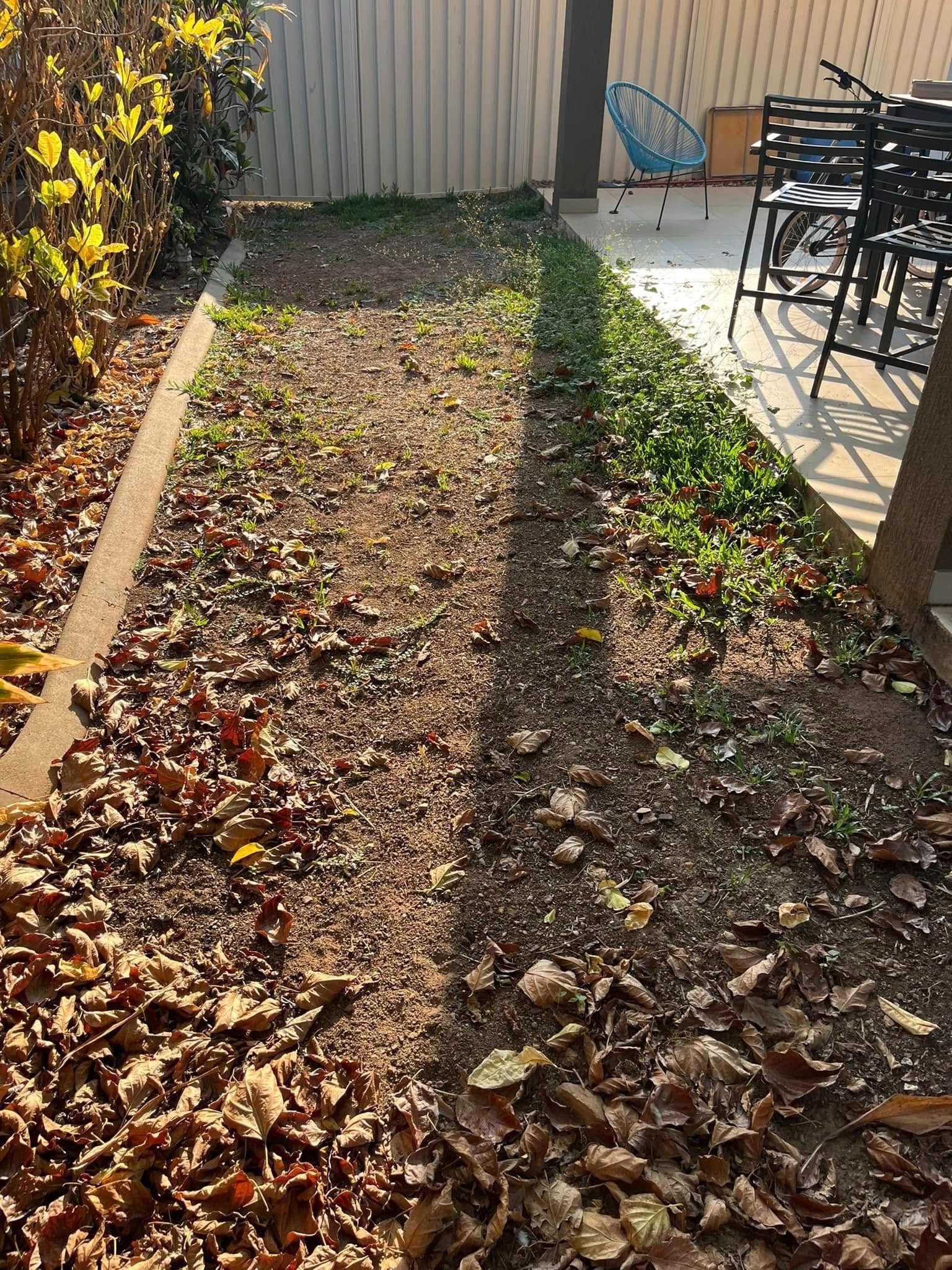
One of the most common places where standing water accumulates is in low spots across lawns. Even slight dips in the ground can collect significant water during heavy rainfall.
When water sits on turf for extended periods, it can:
- Suffocate the grass roots
- Encourage fungal growth
- Cause yellowing or patchy lawn
- Create muddy, unstable surfaces
- Attract mosquitoes and pests
Over time, compacted and waterlogged soil makes it harder for grass to recover. Regular assessment and professional landscaping adjustments can help correct drainage problems before turf deterioration spreads.
Garden Beds and Planting Zones
Garden beds may appear to drain well, but during heavy rain, water can pool around plant roots. Many ornamental plants and shrubs are not suited to prolonged saturation.
Standing water in garden beds can lead to:
- Root rot
- Leaf yellowing and drop
- Stunted growth
- Increased susceptibility to pests
- Soil nutrient imbalance
In Darwin’s humid climate, these problems can escalate quickly. Proper soil preparation, drainage design, and ongoing Darwin garden maintenance play a significant role in preventing plant loss.
Near Home Foundations
Water pooling near the base of a house is more than just a landscaping issue. Prolonged moisture can gradually affect soil stability and the surrounding ground levels.
Standing water near foundations may cause:
- Soil erosion
- Uneven settling
- Increased moisture around subfloor areas
- Deterioration of paving or edging
Ensuring that water flows away from the home rather than towards it is an important part of landscape planning. If pooling occurs frequently, drainage redesign may be required.
Driveway Edges and Paved Areas
Hard surfaces such as driveways and patios often direct water toward specific points. If grading is incorrect or drains are blocked, water can gather along edges.
Over time, this can result in:
- Cracking or shifting pavers
- Erosion of surrounding soil
- Moss and algae growth
- Slippery surfaces
- Long-term structural wear
Landscape drainage planning can help manage runoff more effectively and reduce surface damage.
Retaining Walls and Sloped Blocks
Darwin properties with sloped yards or retaining walls may experience water build-up behind structures. When drainage behind retaining walls is inadequate, hydrostatic pressure increases.
This can contribute to:
- Wall movement
- Cracking
- Soil washout
- Structural instability
Managing water flow on sloped blocks is critical in tropical climates. Landscaping near me searches often increase after the wet season when signs of wall stress begin to appear.
Tree Root Zones
Large trees are an important feature in many Darwin gardens, but excessive water can still impact root systems. While some species tolerate moisture well, others struggle with prolonged waterlogging.
Standing water around tree roots may lead to:
- Root decay
- Fungal infections
- Reduced stability
- Canopy thinning
- Increased risk of falling branches
Tree health assessments as part of Darwin garden maintenance can help identify early signs of stress.
Under Decks and Outdoor Structures
Water can accumulate in shaded areas beneath decks, pergolas, or outdoor structures where sunlight and airflow are limited. These spaces may remain damp long after rainfall ends.
Persistent moisture can cause:
- Timber deterioration
- Mould growth
- Rust on metal fixtures
- Soil compaction
Improving drainage and ventilation around these areas can reduce long-term damage.
Poorly Designed Drainage Systems
Sometimes standing water is the result of inadequate drainage design rather than heavy rainfall alone. Blocked or undersized drains can struggle to handle tropical downpours.
Signs of drainage problems include:
- Water pooling after every storm
- Slow runoff from lawns
- Erosion channels forming in soil
- Recurring soggy patches
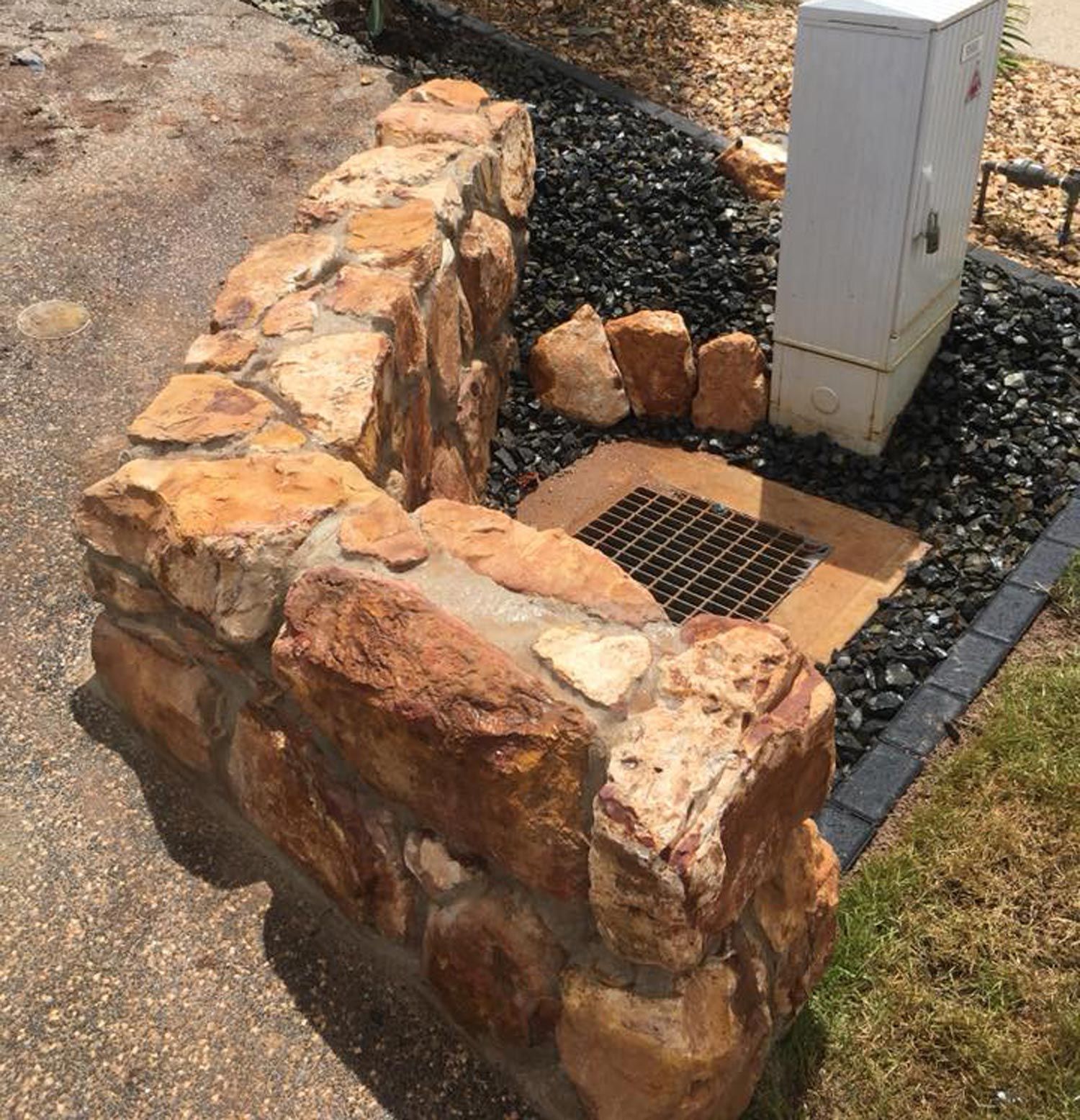
Professional landscaping solutions may involve installing new drains, adjusting grading, or redesigning garden layouts to encourage natural water flow.
The Hidden Impact on Soil Health
Soil structure plays a critical role in plant health. Prolonged water saturation can alter soil composition, reduce oxygen levels, and wash away nutrients.
Long-term soil damage may result in:
- Compacted ground
- Poor root development
- Nutrient deficiencies
- Reduced plant resilience
Ongoing Darwin garden maintenance often includes soil improvement strategies to restore balance after wet periods.
Mosquito Breeding and Pest Attraction
Standing water creates ideal breeding conditions for mosquitoes, which are particularly prevalent during and after the wet season in Darwin. In addition to being a nuisance, mosquitoes can pose health concerns.
Other pests may also be attracted to damp environments, increasing the need for preventative maintenance.
Why Early Intervention Matters
Small drainage problems can escalate if left unaddressed. What begins as a minor pooling issue may lead to plant loss, lawn damage, or structural concerns over time.
Early intervention may involve:
- Reshaping lawn levels
- Improving soil drainage
- Installing drainage systems
- Redirecting downpipes
- Selecting water-tolerant plant varieties
- Adjusting irrigation settings
Taking action early can help reduce long-term repair costs and maintain the appearance and usability of outdoor spaces.
How Professional Landscaping Can Help
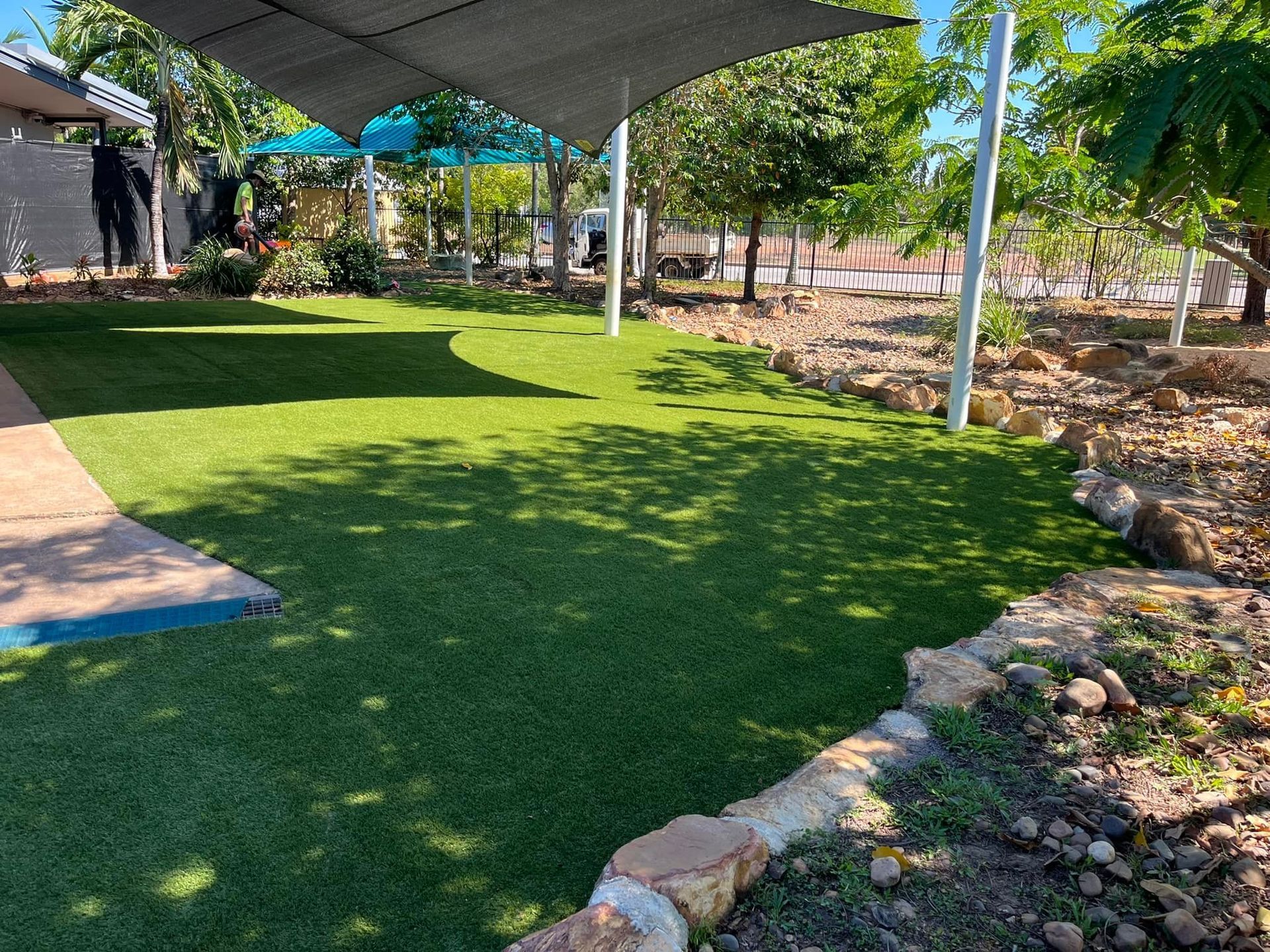
Professional landscaping focuses not only on aesthetics but also on function. Effective drainage design, soil preparation, and plant selection all contribute to resilience in tropical conditions.
Homeowners searching for landscaping near me often do so after noticing repeated water issues. A tailored assessment can identify underlying causes and recommend practical solutions.
Protect Your Landscape After the Wet Season
Regular inspections following heavy rainfall are important for identifying early signs of damage. Monitoring areas prone to pooling allows problems to be corrected before they worsen.
We at Green Vision NT provide landscaping solutions and Darwin garden maintenance services designed to manage water flow, improve soil health, and support long-term garden performance. To learn more about protecting your landscape from standing water damage, visit our website.
With proactive planning and professional support, Darwin homeowners can maintain healthy, functional outdoor spaces throughout the year.